
Sunglasses
Showing the single result
-
Polarized Fishing Sunglasses “N” Series – Devi Numam
$49.99 This product has multiple variants. The options may be chosen on the product page
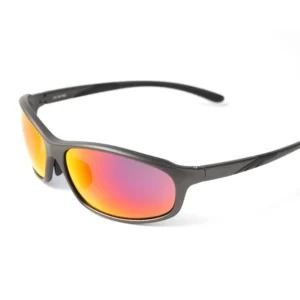
Lens Selection (Core Component)
1. Functionality
Fishing sunglasses should at least feature polarized lenses and UV protection. Polarized lenses effectively filter glare reflected off the water surface, improving visibility of fish beneath. Additionally, fishing sunglasses should provide UV400 protection to shield the eyes from harmful ultraviolet rays.
2. Material
The most common polarized lens materials on the market include:
· PC (Polycarbonate)
· TAC (Triacetate Cellulose)
· Glass
· Polyamide (Nylon)
· CR-39 Resin
PC and Nylon lenses are ideal for sports sunglasses due to their impact resistance. CR-39 resin lenses are another good option. Glass lenses, while offering excellent optical clarity, are heavy and fragile, making them suitable only for casual wear. TAC lenses provide decent performance at a more affordable price, making them a budget-friendly choice.
3. Lens Color
Lens color refers to the tint applied to clear lenses, affecting visual perception and light transmission. Different colors serve different purposes:
Gray Lenses: High color accuracy, natural vision, no contrast enhancement. Versatile for various conditions.
Brown/Amber Lenses: Enhance warm tones, improve contrast—ideal for freshwater fishing and hunting.
Yellow/Orange Lenses: Block blue light, boost yellow light, and enhance contrast—best for low-light conditions (overcast skies, dawn, dusk).
Green Lenses: Good color accuracy, enhance yellow-green light, improve contrast—optimal for saltwater fishing and golf.
Additionally, lenses often feature functional coatings such as:
UV protective coating
Hydrophobic & oleophobic coating (water & oil repellent)
AR (Anti-Reflective) coating
These coatings may also alter the lens’s appearance under sunlight.
Some lenses have a mirror coating (e.g., blue, red, or silver mirror) to further modify color and light transmission.
When purchasing, choose a lens color based on fishing conditions and personal preference.
Frame Selection
1. Material
Sports sunglasses should use lightweight, impact-resistant materials such as:
TR90 resin
Nylon
Metal alloy
2. Shape & Size
Frame and lens dimensions affect both aesthetics and field of view. Poorly sized lenses may cause light leakage.
Another critical factor is frame curvature (base curve):
Low-curve frames (≤4 base curve): Flatter lenses, more natural vision—ideal for casual wear.
High-curve frames (4-8 base curve): More wrap-around fit, better stability, wind protection, and light blocking—common in sports sunglasses.
Trade-offs of high-curve frames:
✔ Better stability & wind resistance
✖ Increased lens distortion (may cause dizziness or eye strain)
✖ Higher manufacturing difficulty
✖ Less adaptable to different face shapes (poor fit for flat faces or low nose bridges, may slip or press on temples)
✖ Reduced airflow (may lead to fogging during intense activity)
Conclusion
When selecting fishing sunglasses, consider:
Usage scenario (fishing environment, light conditions)
Face shape & fit (frame curvature, size)
Budget (lens material, coatings)
A well-chosen pair enhances performance, comfort, and eye protection.